Needs Assessment
Review the initial conditions, objectives, and supporting information to identify service needs.
PT Parama Karya Enjineering
A Certificate of Operational Feasibility (SLO) is a certification document that confirms an electrical installation within a building—such as an office building, hotel, commercial facility, or other premises—has met the applicable safety standards and is safe for operation without posing risks to users or the surrounding environment
A Certificate of Operational Feasibility (SLO) is an official certification that confirms the electrical installation of a building—such as an office building, hotel, commercial facility, or other premises—has complied with applicable safety standards and is safe for operation without posing risks to occupants or the surrounding environment. The SLO serves as formal evidence that the electrical installation is safe, compliant with regulations, and legally required before a building can commence operations.
An SLO ensures that electrical installations are safe, reliable, and compliant with applicable standards, thereby reducing the risk of fire hazards and operational disruptions. Its importance lies in regulatory compliance, as buildings operating without a valid SLO may be deemed unfit for operation, potentially endangering occupants and exposing owners to administrative sanctions.
The validity period of a Certificate of Operational Feasibility (SLO) is generally one year, after which it must be renewed through a re-inspection of the electrical installation.
The processing time for obtaining an SLO generally ranges from 1 to 4 weeks, depending on the completeness of the required documentation, the scope of equipment to be inspected, and any findings identified during the site inspection. The process may be completed more quickly when all documents are readily available and the installation is in good condition; however, additional time may be required if corrective actions are necessary before the certificate can be issued.
Low-voltage electrical installations (electrical panels, MCBs, distribution cables)
Generator Sets (Gensets)
Uninterruptible Power Supply (UPS) Systems
Distribution Transformers
Other mechanical and electrical installations that affect the safe operation of the building.

Proper preparation helps you understand technical and administrative needs before work begins. Reviewing the project early allows the next steps to reflect your priorities.
Review the initial conditions, objectives, and supporting information to identify service needs.
Review document completeness and identify information that still needs to be provided.
Support implementation and technical coordination within the agreed scope of work.
Present the work results along with relevant notes and recommended next steps.
Your project needs and conditions guide the approach to the work.
Needs, progress, and issues are discussed together so the next steps are understood.
Timing is discussed after reviewing the scope and document readiness. The schedule takes account of work complexity and any external processes.
Information, notes, and work results are organized to support your next steps.
Coordination with your contact person helps align documents, access, and implementation.
Review results are explained so you know what to complete or follow up on.
Requirements

Work Flow
Conduct verification and preparation of administrative and technical documents to ensure the readiness of the SLO application process.
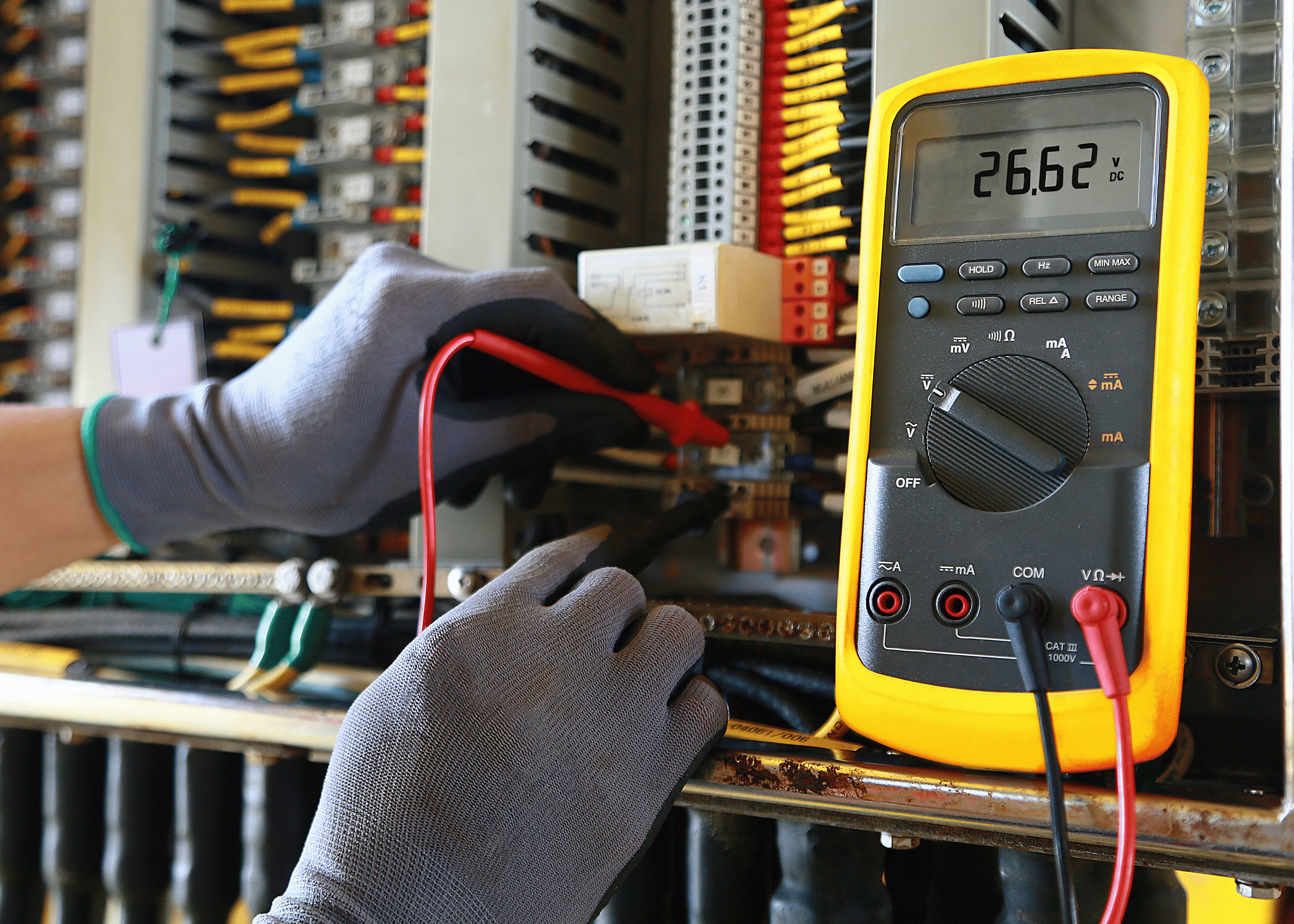
Conduct site surveys and feasibility assessments to ensure that the electrical installation complies with applicable technical requirements, safety regulations, and industry standards
Prepare inspection and testing reports as the basis for assessing the operational feasibility of the electrical installation and supporting the SLO certification process
Implement corrective actions based on inspection findings to ensure that the electrical installation complies with operational feasibility requirements and safety standards
The Certificate of Operational Feasibility (SLO) is issued after all inspection, testing, and corrective action processes have been completed and confirmed to comply with the applicable requirements and regulations
Entrust your project's technical and structural requirements to our experts, delivering reliable solutions and measurable outcomes every step of the way.